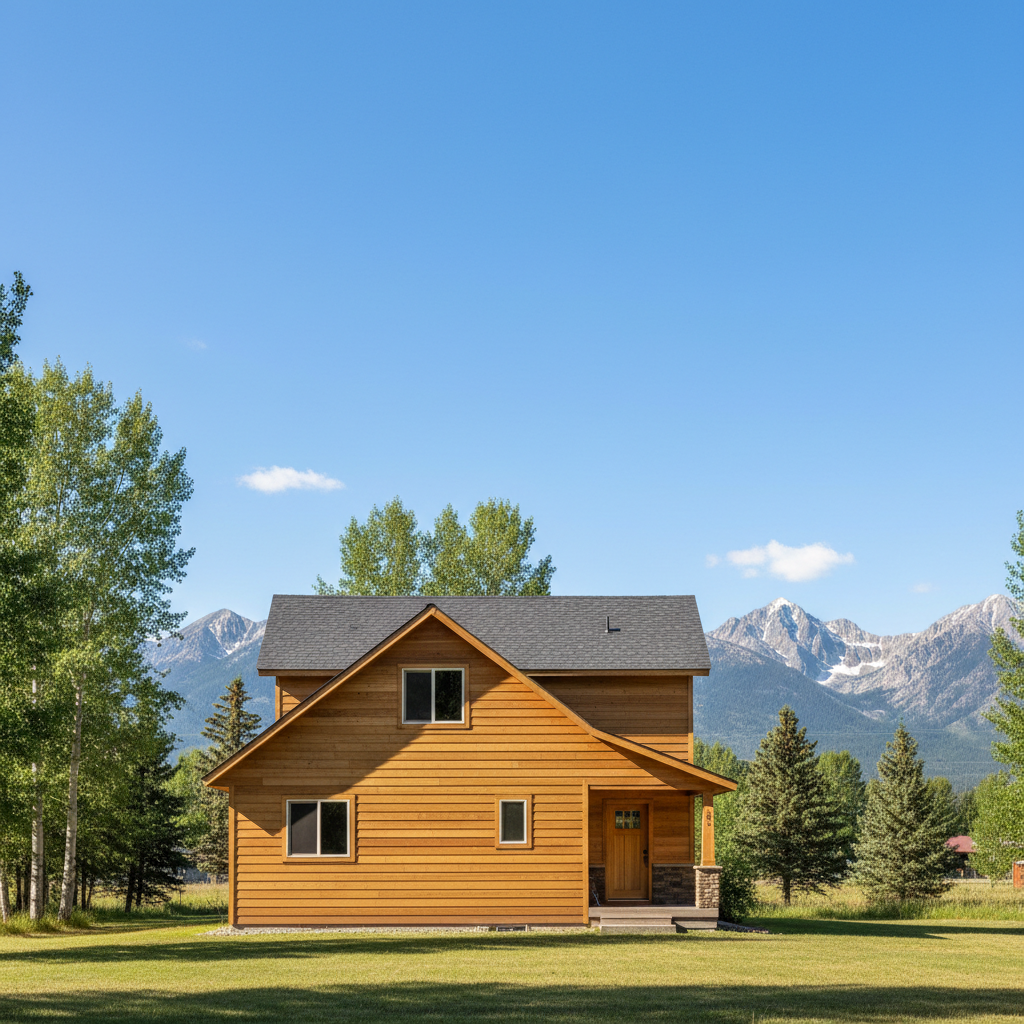
You're looking at wood siding for your house here in Kalispell, and you want to know what it's going to hit your wallet. Good question. It's not a simple 'X dollars per square foot' answer, but I can definitely give you the rundown on what affects the price and what you should expect to pay.
What Makes Wooden Siding Prices Go Up (or Down)?
There are a few big factors that really swing the cost. Understanding these helps you make smart choices.
- Type of Wood: This is probably the biggest one. You've got everything from your more common pine and cedar to fancier stuff like redwood or cypress. Here in Montana, cedar is super popular, especially Western Red Cedar. It looks great, holds up well to our crazy weather, and takes stain nicely. Pine is cheaper but needs more maintenance. Hardwoods like oak or mahogany are beautiful but will cost you a lot more and aren't as common for exterior siding around here.
- Siding Style: Are we talking traditional lap siding, tongue-and-groove, board-and-batten, or something like shakes or shingles? Each style has different material costs and takes different amounts of labor to install. Shakes, for example, are usually more expensive per square foot for the material and take longer to put up than simple lap siding.
- Condition of Your Existing Exterior: If we're just going over existing siding that's in good shape, it's one thing. If we have to tear off old, rotted siding, deal with mold, or replace sheathing that's been damaged by moisture (which I see a lot in older homes around the Flathead Lake area where things stay damp longer), that's extra labor and material. Sometimes we find surprises once the old stuff comes off, so a good contractor will factor in some contingency for that.
- Complexity of Your Home's Design: A simple, rectangular ranch house is way easier and faster to side than a multi-story home with lots of gables, dormers, bay windows, and intricate architectural details. Every corner, every window, every door opening adds time and requires more precise cutting and flashing, which means more labor.
- Accessibility: If we can easily get a ladder or scaffolding around your whole house, great. If we're working on a steep hillside, or there are lots of bushes, trees, or other obstacles in the way, it takes longer and might require specialized equipment, which adds to the cost.
- Finish and Treatment: Are you going with a natural look, a solid stain, or paint? Staining or painting adds another layer of cost for materials and labor. Some woods, like cedar, come pre-primed or pre-stained, which can save time on site but might cost more upfront for the material itself.
What's a Realistic Price Range for Wood Siding in Kalispell?
Okay, let's get to some numbers. Keep in mind these are averages, and your specific project could be higher or lower depending on those factors I just mentioned.
For material and installation, you're generally looking at:
- Pine or Fir (basic lap siding): Expect to pay around $6 to $10 per square foot. This is your most budget-friendly option, but it needs more maintenance.
- Western Red Cedar (lap siding, bevel, or tongue-and-groove): This is probably the sweet spot for many Kalispell homeowners. You're usually looking at $8 to $15 per square foot. It's durable, looks fantastic, and handles our climate well.
- Cedar Shakes or Shingles: These are more labor-intensive and the material costs more. You're likely in the $12 to $20+ per square foot range for these. They give a really classic, rustic look that fits great here in Montana.
- Premium Hardwoods (like Redwood or Cypress): If you're going for something really high-end, you could be looking at $20 to $35+ per square foot. These are less common for an entire house exterior around here due to cost.
These prices typically include the siding material, fasteners, house wrap (which is critical for moisture protection), flashing around windows and doors, and the labor to install it all. They usually don't include things like extensive structural repairs, lead paint abatement, or custom trim work that wasn't part of the original plan.
What Should a Good Quote Include?
When I give you a quote at Premium Siding Solutions, I make sure it's clear. Here's what you should expect to see:
- Detailed Material List: Not just 'wood siding,' but the specific type of wood, style, grade, and quantity. Also, house wrap, flashing, trim boards, and any other necessary materials.
- Scope of Work: A clear description of what's being done. Is it a full tear-off? Going over existing siding? How many layers? What's happening around windows and doors?
- Labor Costs: This is usually rolled into the per-square-foot price but should be clearly stated.
- Permits: Who's responsible for pulling them? In Kalispell, you usually need a building permit for siding replacement, especially if you're changing the structural integrity or adding insulation.
- Cleanup and Debris Removal: This is important. You don't want to be stuck with a huge pile of old siding in your yard.
- Warranty Information: Both for the materials and the installer's labor.
- Payment Schedule: How and when payments are due.
How to Avoid Overpaying for Wood Siding
It's simple, really, but people still mess it up.
- Get Multiple Quotes: Don't just go with the first guy. Get at least three detailed quotes from reputable local contractors. This helps you compare apples to apples and understand the market rate.
- Check References and Reviews: A low bid from someone with no track record is a huge red flag. Ask for references, check their online reviews, and make sure they're licensed and insured.
- Don't Rush the Decision: Take your time to understand the quote and ask questions. A good contractor will be happy to explain everything.
- Be Specific About What You Want: The more detailed you are about the type of wood, style, and finish, the more accurate the quote will be. Changes mid-project almost always cost more.
- Understand the Contract: Read every single line. If you don't understand something, ask. Don't sign until you're completely comfortable.
Replacing your siding is a big investment, but wood siding, especially cedar, can really boost your home's curb appeal and value, especially in a market like ours where people appreciate that rustic Montana look. Do your homework, get good quotes, and you'll end up with a beautiful, long-lasting exterior that you won't regret.