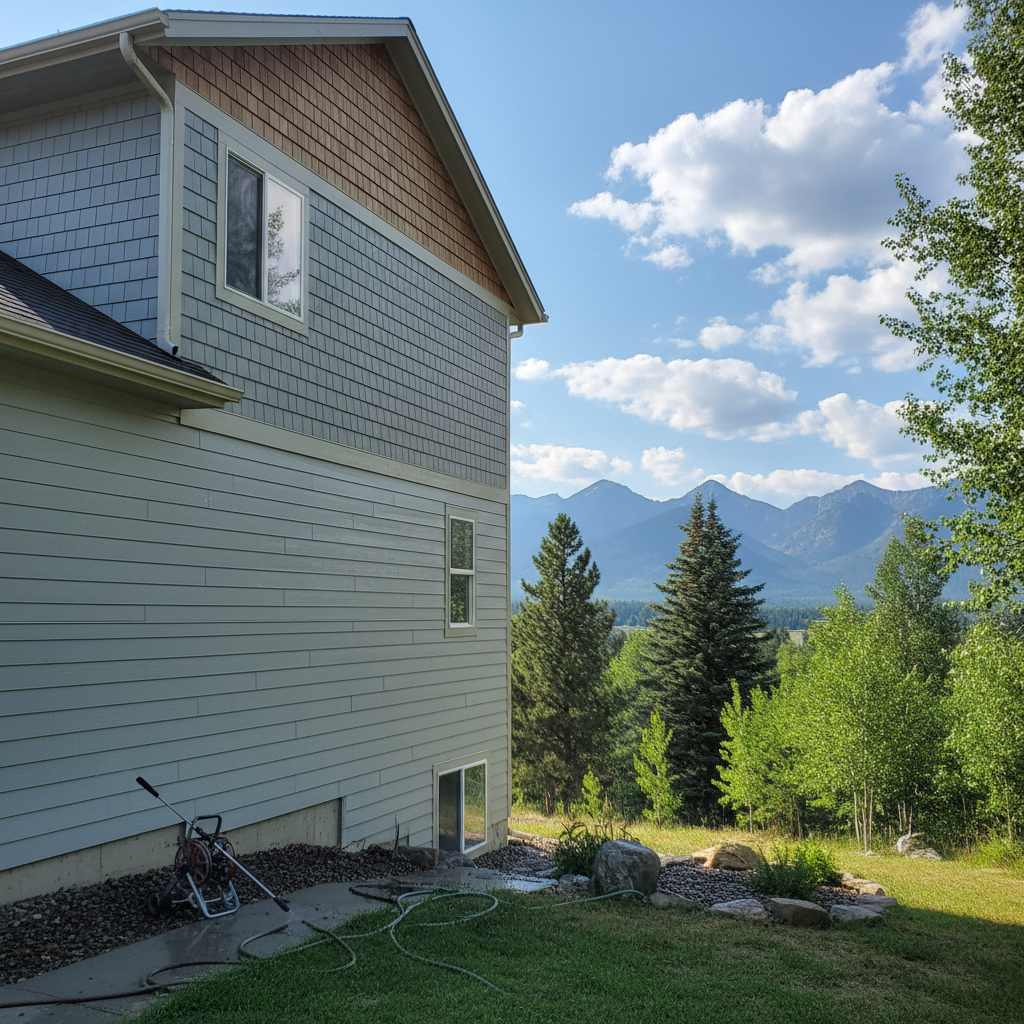
You've invested good money in your home's siding, whether it's fiber cement, vinyl, or wood. It's the first line of defense against our wild Kalispell weather, and frankly, it's what makes your house look good. But just like anything else, it needs a little TLC to keep doing its job and looking sharp. Neglect it, and you're asking for trouble down the road.
I've seen it all in my years working on homes around the Flathead Valley, from perfectly maintained siding that looks new after decades to stuff that's falling apart way too soon because nobody bothered to clean it. Here's what you need to know about keeping your siding in top shape.
Regular Cleaning: Your Siding's Best Friend
Think of cleaning your siding like brushing your teeth. You wouldn't go years without doing it, right? Same goes for your house. Our climate here in Kalispell, with those long, damp springs and often dusty summers, means your siding collects all sorts of grime. Pollen, dust, dirt, mildew, algae – it all builds up.
For most types of siding, a good wash once a year is usually enough. If you're living near a gravel road or in a particularly shady spot that encourages mildew, you might want to do it twice. The best time? After the snow's gone and before the real heat sets in, usually late spring or early summer. Or, if you missed that window, a good fall cleaning before everything freezes up for winter works too.
- Gentle is Key: Don't just blast it with the highest pressure washer setting you can find. That's a surefire way to damage siding, especially if it's older or has a painted finish. You can force water behind the panels, strip paint, or even etch the surface. A garden hose with a spray nozzle and a soft-bristle brush is often all you need.
- Cleaning Solutions: For general dirt, a simple mix of warm water and a mild detergent (like dish soap) works wonders. For tougher stains, especially mildew or algae, you can buy specific siding cleaners. Just make sure they're safe for your siding type. Always test a small, inconspicuous area first. Bleach solutions (diluted, like 1 part bleach to 4 parts water) can work for mildew, but be super careful. Wear gloves, eye protection, and protect your landscaping. Rinse, rinse, rinse!
- Work Top-Down: Start at the top of your house and work your way down. This prevents dirty water from running over already clean sections and leaving streaks. Rinse thoroughly as you go.
Spotting Trouble: What to Look For
Cleaning isn't just about making things sparkle; it's also your chance to inspect your home's exterior up close. You're looking for early warning signs that can turn into big, expensive problems if ignored.
- Cracks or Gaps: Even small cracks can let moisture in, leading to rot or mold. Check around windows, doors, and corners.
- Loose Panels or Boards: Wind, especially those strong gusts we get off the mountains, can loosen things up. If you see a panel flapping, it needs to be resecured.
- Peeling or Bubbling Paint: This usually means moisture is getting behind the siding. It's a red flag.
- Fading or Discoloration: While some fading is normal over time, uneven fading or significant discoloration can indicate issues with the material itself or exposure to harsh elements.
- Mold or Mildew: Beyond surface growth that washes off, look for persistent, dark patches, especially on the north side of your house where it stays damp longer. This can be a sign of deeper moisture problems.
- Pest Activity: Keep an eye out for holes, nests, or other signs of insects or rodents. They love to make homes behind loose or damaged siding.
Our long, cold winters here in Kalispell mean any small crack or gap can become a major issue when water freezes and expands. That's why those fall checks are so important.
When to Call the Pros
Look, I'm a big believer in DIY when it makes sense. But there are times when you really should pick up the phone and call someone like us at Premium Siding Solutions.
- Extensive Damage: If you're seeing widespread cracking, significant rot, or large sections of siding that are loose or compromised, it's beyond a simple cleaning or patch job.
- Water Intrusion: If you suspect water is getting into your wall cavities – maybe you see stains inside your home, or the siding feels soft and spongy in places – that's a serious issue that needs immediate professional attention.
- High-Up Work: If you're not comfortable on a ladder, especially on a two-story house or on steep gables, don't risk it. Falls are no joke. We've got the right equipment and training to do it safely.
- Persistent Mildew/Algae: If you're cleaning year after year and the mildew keeps coming back aggressively, there might be an underlying ventilation or drainage issue that needs a professional eye.
- Lead Paint Concerns: If your house was built before 1978, there's a chance it has lead-based paint. Disturbing it improperly can be dangerous. A professional will know how to handle it safely.
Taking care of your siding isn't just about curb appeal; it's about protecting your biggest investment. A little regular maintenance goes a long way in preventing headaches and keeping your home safe and sound for years to come.