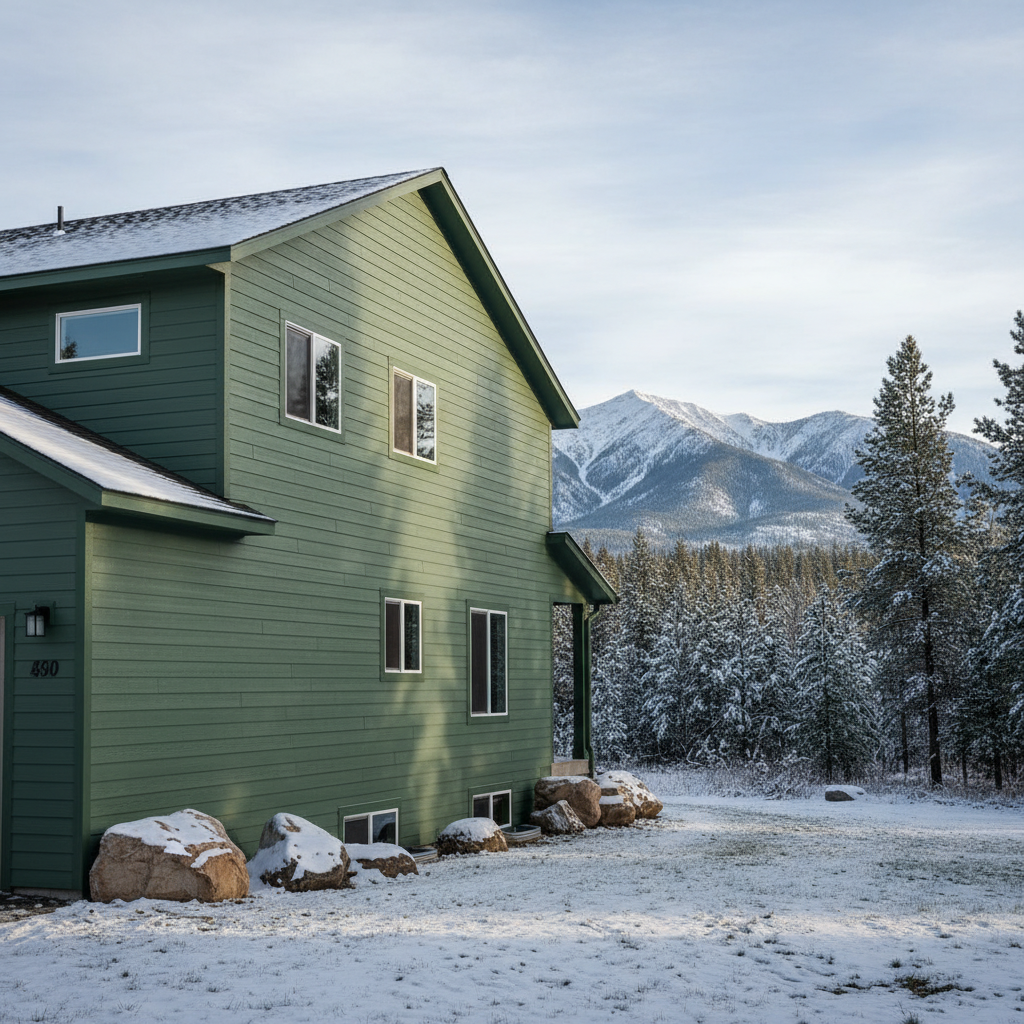
Cement siding, or fiber cement as it's often called, is a fantastic choice for homes here in Kalispell. It's tough, looks good, and can really stand up to what our Montana weather throws at it. But just like anything else, getting it installed right and taking care of it means understanding a few things about our climate. As someone who's been putting this stuff on houses for years, I've seen what works and what doesn't.
When's the Best Time to Install Cement Siding?
You might think any time the sun's out is good for siding work, but with cement siding, timing really matters. The ideal conditions for installing fiber cement are when it's not too hot, not too cold, and definitely not too wet. That means our shoulder seasons – late spring and early fall – are usually your best bet.
Why those times? Well, the material itself needs to be handled and cut properly. Extreme heat can make it brittle and hard to work with, and really cold temps can do the same, plus it makes the caulking and sealants less effective. You want those sealants to cure right, and that just doesn't happen when the thermometer's dipping below freezing or soaring into the high 90s. We're talking about a material that expands and contracts a tiny bit with temperature changes, and you want it to settle in nicely from the start.
Summer can work, especially if we get a stretch of moderate weather, but you've got to watch out for those really scorching days. And winter? Forget about it for new installs if you can. It's just too cold for the materials, the adhesives, and frankly, for the crew to do their best work safely and efficiently. We're not just nailing boards; we're making sure your home is sealed tight against moisture and drafts, and that requires specific conditions.
How Our Kalispell Weather Affects Your Siding
Our weather here in the Flathead Valley is a beast, isn't it? We get scorching summers, freezing winters, and plenty of moisture in between. Cement siding is built for this, but you still need to be smart about it.
- Moisture: This is a big one. While cement siding itself is resistant to rot and pests, any siding system needs proper flashing and sealing to keep water out. We see a lot of homes around the Whitefish Stage area that get hit hard by driving rain and snow. If your siding isn't installed perfectly, that moisture can get behind it and cause problems with the sheathing or framing. That's why good installation, especially around windows and doors, is non-negotiable.
- Temperature Swings: Our big temperature swings from day to night, and season to season, mean materials are constantly expanding and contracting. Fiber cement is stable, but proper gapping during installation is crucial to allow for this movement without cracking.
- UV Exposure: Those bright Montana summers are beautiful, but the sun's UV rays can be tough on paint finishes over time. While the siding itself won't degrade, the paint will.
- Wind and Hail: We get some serious wind gusts and hailstorms. Cement siding is tough against impacts, but extreme events can still cause damage.
Protecting Your Cement Siding Investment Year-Round
You've put good money into your home, so keeping that cement siding looking sharp and doing its job is smart. Here's what I tell folks:
First off, keep it clean. A simple wash with a soft brush and garden hose once a year can do wonders. You'd be surprised how much dirt, pollen, and even mildew can build up, especially on the north side of your house or in shadier spots. Don't use a high-pressure washer too close; you can damage the finish or force water behind the panels. A gentle wash is all you need.
Second, check your caulk and seals regularly. This is probably the most important thing you can do. Look around windows, doors, corners, and where the siding meets other materials like brick or stone. If you see cracks, gaps, or areas where the caulk is pulling away, get it fixed. A good quality exterior caulk can prevent a lot of headaches down the road. This is where moisture gets in, and once it's in, it's a pain to deal with.
Third, keep an eye on your landscaping. Make sure bushes and trees aren't growing directly against the siding. You want good airflow to prevent moisture buildup and to keep pests from finding a cozy home. Trim back anything that's touching the house.
Fourth, inspect your paint. While fiber cement holds paint really well, nothing lasts forever. If you start seeing peeling, chipping, or significant fading, it might be time for a repaint. A fresh coat not only makes your house look great but also adds another layer of protection. We often recommend high-quality acrylic latex paints for fiber cement because they're flexible and durable.
Lastly, if you're ever unsure about something, or you spot damage from a storm, don't hesitate to call a professional. Sometimes what looks like a small issue can be a sign of something bigger. Here at Premium Siding Solutions, we're always happy to come out and take a look. We've seen it all, and we can help you keep your home protected for years to come. Your home's exterior is its first line of defense against our Montana elements, so let's make sure it's always ready.